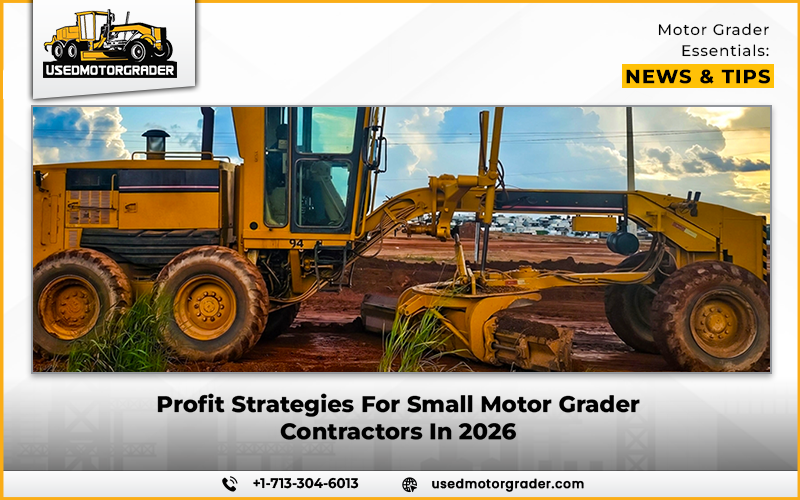
The heavy construction market in 2026 is highly competitive, but smart operators can maximize their earnings if they employ the right strategies. The amount of dirt to be moved is enormous as infrastructure needs grow and rural development continues to increase. But small- to mid-sized motor grader contractors are feeling the pinch of skyrocketing fuel prices, rising interest rates, and ongoing supply chain disruptions. It is not possible to purchase a brand-new machine, bid low, and make a profit. Profitability today requires rigorous cash-flow management, getting the most out of what iron you have, and making calculated equipment purchases. The contractors who are doing well today are those who are operating with efficiency, quoting accurately, and understanding the economics of owning heavy equipment.
Navigating the Current Equipment and Labor Market
The climate for small contractors is indeed challenging, but the ongoing drive for infrastructure spending provides a steady safety net. The demand for gravel-road maintenance, site-preparation grading, and municipal road maintenance is huge. These niche markets help to provide a steady income stream to help weather economic storms. But the equipment shortage is forcing contractors to rethink their fleet expansion strategies. A multi-month wait for factory delivery is not feasible when contracts are coming up next week.
Business owners need to adjust to the realities of today:
- With high inflation and volatile fuel prices, careful route planning and idle reduction are essential to maintain profit margins.
- The lack of labor and equipment presents a constant challenge for fleets, forcing a greater focus on keeping machines reliable and retaining operators rather than expanding aggressively.
- The adoption of used graders rather than new graders greatly reduces capital exposure and accelerates ROI.
A lot of operators are avoiding the dealership showroom altogether; rather, they are aggressively seeking out top-notch used motor graders for sale to ensure low debt levels and the ability to bid on lucrative regional contracts.
Choosing the Right Machines and Business Models
Your equipment strategy is directly related to your business model. Ownership of machines is not the same for subcontract grading services and rural access road maintenance as it is for heavy mining support. There is a lot of discussion about the long-term value of the decisions made in fleet selection among many small contractors. Newer, more expensive equipment can put cash flow at risk during seasonal downturns. This is why it’s important to find the right balance between an older, rebuildable grader and a lightly used, dealer-certified unit.
When looking at brands such as Caterpillar, John Deere, and Volvo, resale value, parts access, and local dealer support are factors to consider. In some cases, three machines that don’t work correctly are outsmarted by one machine that does. Owners should consider the following financial comparisons:
- Purchasing a secondhand unit gives you immediate equity and financial breathing room, whereas financing a new grader will require larger monthly payments.
- Leasing or renting on occasion preserves capital for highly seasonal businesses, whereas owning multiple idle machines drains monthly cash flow.
- Balancing cost and capability ensures optimal fleet utilization, whereas over-specifying equipment size drives up unnecessary overhead.
Contractors are also considering the complexities of emissions standards. Before adding to a fleet, it is important to do some research on Tier 4 vs older mechanical machines to learn about the hidden costs of DEF, DPF maintenance, and software service fees. One of the key strategies to ensure liquidity in 2026 is to avoid excessive debt. It’s crucial to obtain reliable used motor graders for sale.
Maximizing Fleet Profitability and Operational Efficiency
Having the proper equipment is just part of the equation; how you use it and operate it is what counts in the end. The utilization of machines is very important. An idle grader in the yard is costing you potential revenue. Contractors can significantly cut down on unplanned downtime by prioritizing blade management, preventive maintenance, and reducing idle time. Downtime is the absolute ruin of a small operation, as revenue stops the moment a machine breaks down.
Knowing your operating expenses will enable you to bid appropriately and not take jobs that are not profitable. You need to have your actual operating cost per hour, labor burden, fuel cost, and transport cost. The most common error in the business is underbidding work. It is important to take the time to do the calculations correctly to ensure that you are charging a profitable hourly rate.
Some of the most important strategies for safeguarding your cash flow are:
- Relying on seasonal jobs such as snow removal or agricultural infrastructure to keep machines busy.
- Having a separate emergency repair fund to cover unforeseen repairs without the need to take out a high-interest loan.
- Establishing good relationships with local subcontractors and municipal partnerships to provide a reliable stream of work.
Many successful operators say that horsepower is not as important as cash flow. When contractors buy pre-owned machines, they reduce their overhead and have a low break-even point with a high profit margin.
Future Outlook and Smart Bidding Strategies
As for the future, contractors will continue to experience operator shortages and increased compliance expenses. Automated blade systems and GPS grading can increase productivity but add a lot of overhead and repair complexity. In smaller operations, it is best to make careful equipment choices and focus on specialization. Don’t purchase more equipment than you need prematurely. Be accurate, know your costs, and safeguard your margins. When you’re looking for the best pre-owned machines, you can do it without jeopardizing your financial well-being.
Upgrade Your Fleet Today
Are you ready to upgrade your fleet without incurring a huge debt? The best investment you can make to ensure that you’re keeping your cash flowing and your profit margins high this year is to purchase well-maintained, heavy-duty iron. Buy reliable and efficient used motor graders of top brands from usedmotorgrader.com. Shop our selection of used motor graders for sale today and maintain a profitable business.
FAQs
1. Why are small contractors choosing used equipment in 2026?
A: The initial capital cost of used equipment is lower, the long-term debt load is lower, and the return on investment is much quicker than purchasing heavily financed new equipment.
2. Which grading niches provide the most stable cash flow?
A: There are consistent jobs and steady income throughout the year in municipal road maintenance, gravel road maintenance, site preparation grading, and seasonal snow removal.
3. How do hidden costs affect Tier 4 grader profitability?
A: Tier 4 machines have additional costs associated with them. Including DEF, DPF regeneration maintenance, complicated electronic diagnostics, and possible software service fees that can impact profitability.
4. What are the main factors in pricing grading work?
A: To be able to price accurately, you need to know your hourly operating costs, fuel costs, labor burden, equipment transport costs, and have a buffer for emergency repair reserves.
Tags: Grader Profit Strategies, Profitable Motor Graders, Grader For Small Contractors